Dating after Purity and Courtship Culture

Written by CTRR Practitioner Sherah Pettus
To learn more about working with Sherah, click here.
By now, most people have heard about Purity Culture. But have you heard of Courtship Culture?
Courtship Culture wasn't as strongly promoted in purity culture, but the undercurrent of it existed. A courtship model of relationships promotes an expectation that if a young man was interested in a young woman, he would approach her father and ask for permission to "court" his daughter. While it wasn't always explicitly communicated, the expectation for women was that courtship would begin with someone who was ultimately intended to become her husband.
If you’re thinking that it sounds a little backwards, you’d be right! When someone is navigating both purity and courtship culture, the long term impacts can be profound.
Imagine leaving an environment where everything is managed or navigated on your behalf, and suddenly you're expected to navigate it all on your own - with little to no education about healthy relationships, boundaries, values, sex, or how to identify abusive dynamics.
Maybe you experienced a little bit of this growing up, or maybe this was your entire high school, college, and/or young adult experience. Regardless of when you leave, there's a lot to unpack when Purity and Courtship Culture are no longer relevant for you and you start dating.
It's true that, in our current society, there's a lot to wade through when it comes to dating. But it's also true that now, more than ever, people are looking to build long-lasting relationships where they feel loved, valued, and wanted.
I think one of the most difficult parts of dating after Purity Culture is realizing that many of the mistakes we could have learned from in high school, we now get to learn as adults. It was incredibly frustrating to realize that so much of what I needed to learn as an adult were things I could have learned years earlier. It almost felt like an important developmental stage had been skipped, but I was still somehow expected to pass the test.
This is where being kind to ourselves becomes so important.
Kindness has to become a foundational practice if we're going to navigate dating well. Dating can be brutal and exhausting, even when you know what you're doing. It's clear that Purity and Courtship Culture didn't equip us with the tools we needed to navigate relationships well.
There will be mistakes. Boundaries will be crossed - not because anyone intended to cross them, but because sometimes we don't even know a boundary exists until we've crossed it. That's often how we discover where our boundaries actually are.
This process becomes much easier when we have practices in place that support, encourage, and remind us to stay connected to ourselves along the way.
I want to say something that I hope you really hear:
There is no way you could have known what you think you should know by now.
The education we were supposed to receive got skipped, and now we get the opportunity to go back and learn it.
It's okay.
We are allowed to begin at the beginning, no matter our age or experience.
It's okay not to know what you want - and then, two seconds later, realize you don't want that after all. Mistakes are allowed. They're how we learn. We might date someone and later wonder what we were thinking. We might pass on someone we wish we hadn't. These are all beautiful parts of learning who we are.
It's okay that you don't know yet.
It's okay that you're trying to figure it out.
Dating has this beautiful way of bringing up all our fears and insecurities. I like to think of those moments as invitations to get to know ourselves better. They invite us to practice kindness in areas where maybe no one ever taught us how to be kind to ourselves.
This is where the growth happens.
Here are a few things to consider as you begin dating after Purity and Courtship Culture:
Date to get to know yourself and another person - not to find a spouse. Shift your goal from finding "the one" to learning about yourself and the people you meet.
Stay present. As you date, do your best not to project an entire future together. Instead, ask yourself one simple question: Did I enjoy spending time with this person enough that I'd like to see them again?
Be more boldly yourself than you've ever been before. The person you're dating doesn't know who you used to be. They only know the person they're meeting today. What a wonderful opportunity to practice speaking up for yourself, asking for what you want, or simply naming a preference.
Trust yourself. If something feels off, you don't have to wait until you can justify it. You're allowed to walk away simply because something doesn't feel right to you. You don't have to prove why.
Find a therapist or coach to walk alongside you. This work is real. Having an outside perspective can help you stay connected to yourself and recognize when your reactions are being shaped by old belief systems instead of your present values.
I remember a therapist once saying to me, "Sherah, what I just heard come out of your mouth is an old belief system. That's not you."
Her reminder helped me recognize the difference inside myself and begin noticing where my beliefs were actually coming from.
Dating after Purity and Courtship Culture has its ups and downs, but more than anything, it's a practice of exploration, curiosity, and kindness.
You've got this.
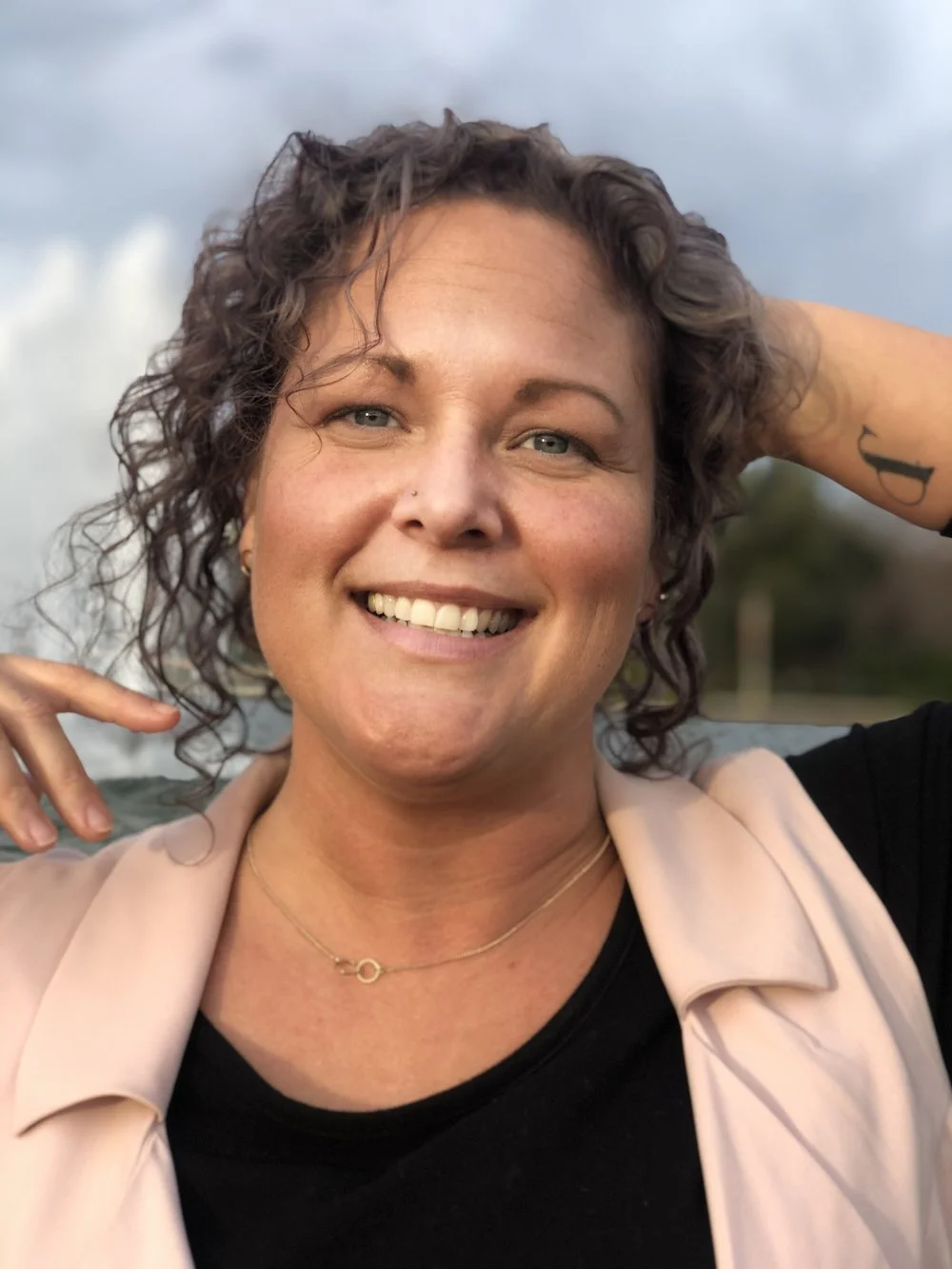
Sherah Pettus brings a multidisciplinary foundation to her therapeutic work as a practitioner at CTRR.
To learn more about working with Sherah, click here.
Beginning this September, Sherah is offering two support groups: Dating After Purity Culture and Life after Religious Trauma/Deconstruction.
Dating After Purity Culture is a support group designed to be a welcoming and affirming space where participants can share their experiences, learn from one another, and receive guidance from a knowledgeable facilitator. The focus is on creating a safe and respectful environment where everyone has the opportunity to grow and thrive.
Life after Religious Trauma/Deconstruction provides a supportive space to recalibrate and explore life beyond the confines of high-control religion. Participants will learn to develop self-trust, redefine their sense of purpose, and incorporate practices that foster freedom and confidence. Through guided discussions, simple assignments, and a pace that honors the nervous system, this group helps participants unpack harmful dogma, re-learn what safety feels like, and create a life they are excited to live.
Schedule a free 20-minute inquiry call with Sherah to learn more and register!